|
|
|
🚀 The AI Trend Oracle Report
AI Described Your Business. What Supports the Answer? |
|
Picture a prospective buyer who asks an AI assistant about a company. The answer describes the company's services, its customers and its capabilities. It sounds sure of itself, and it reads well. Before anyone on the marketing team treats that as progress, there is a quieter question to ask: what does the answer actually rest on?
*(The scenario is hypothetical.)*
|
|
 |
|
|
|
|
|
🚨 This Week's Market Intelligence |
|
There is no single announcement behind this issue. It starts from an ordinary moment instead: a team reads an AI answer about its own company, sees that it sounds right, and moves on.
That moment is worth slowing down for, and nothing new has to happen in the market for it to be true. A convincing answer and a supported answer are different things, and on the screen they can look identical.
|
|
|
📊 What's Actually Happening |
|
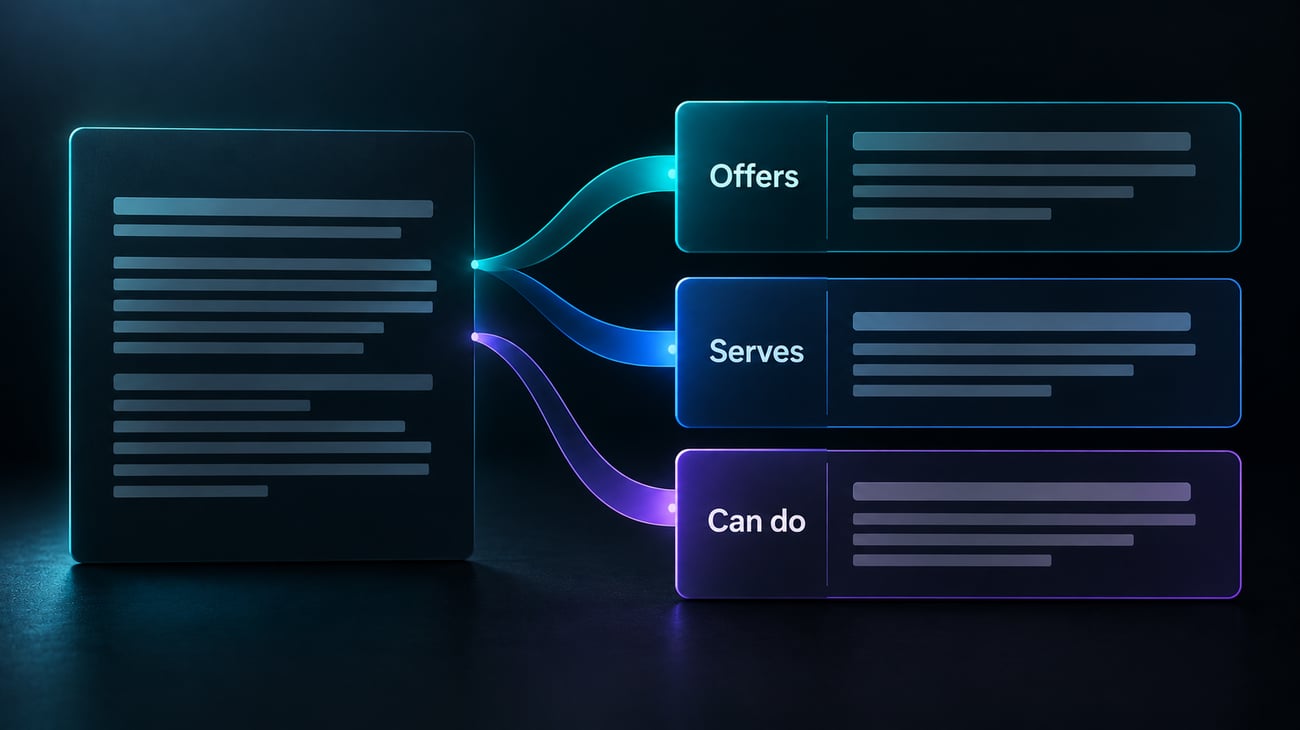
An AI answer that describes a company is made of separate claims. One sentence says what the company offers. Another says who it serves. Another says what it can do, where it operates, or how long it has existed. Each one could be right, wrong, out of date, or about a different company with a similar name.
Reading the answer as a whole hides that. It tends to get judged on tone, and tone is not evidence. A fluent, specific, confident paragraph is easy to accept.
When an answer includes a link or names a source, that helps, but a link is a pointer. It shows where to look, not whether the page says what the sentence says.
Two things are easy to blur here. One is whether a claim is correct. The other is whether anything you can find supports it. A claim can be correct with nothing visible behind it. A claim can also look well supported by a source that is about something slightly different: another product, another year, another company.
|
|
|
🔍 Featured Insight |
|
Support comes in more than one kind.
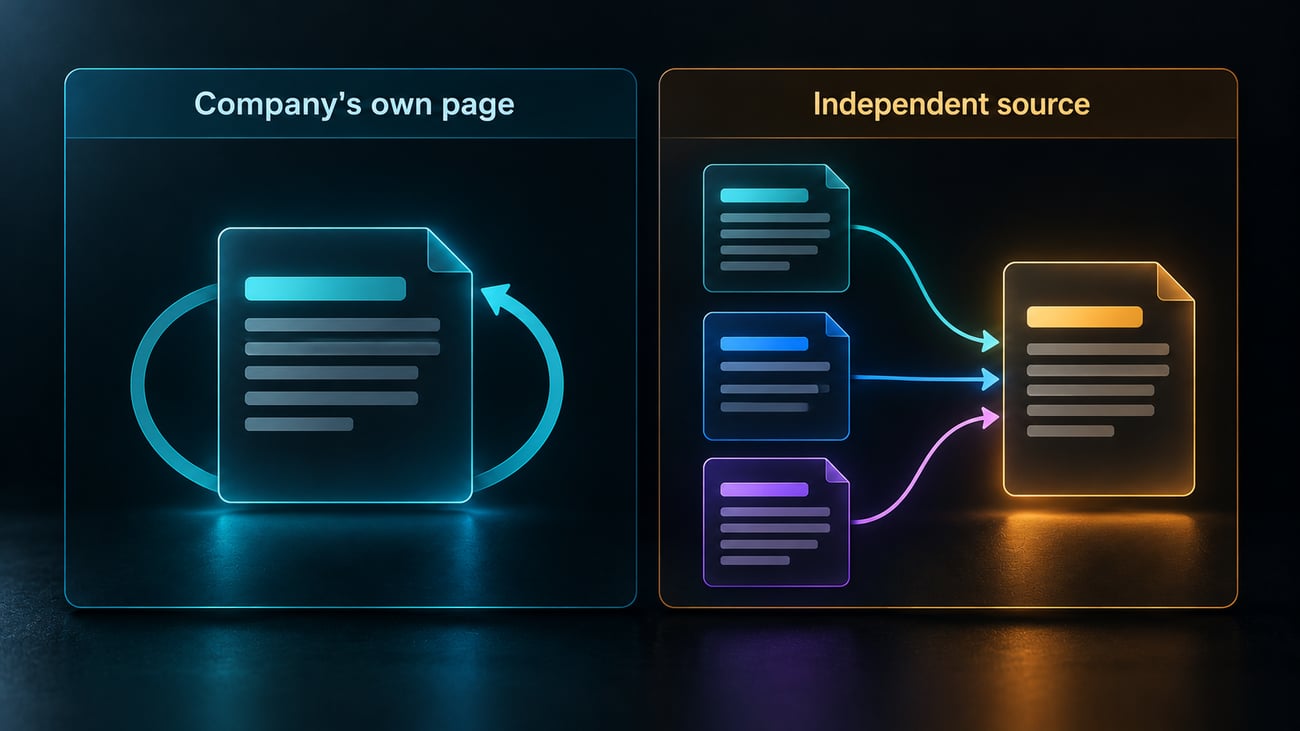
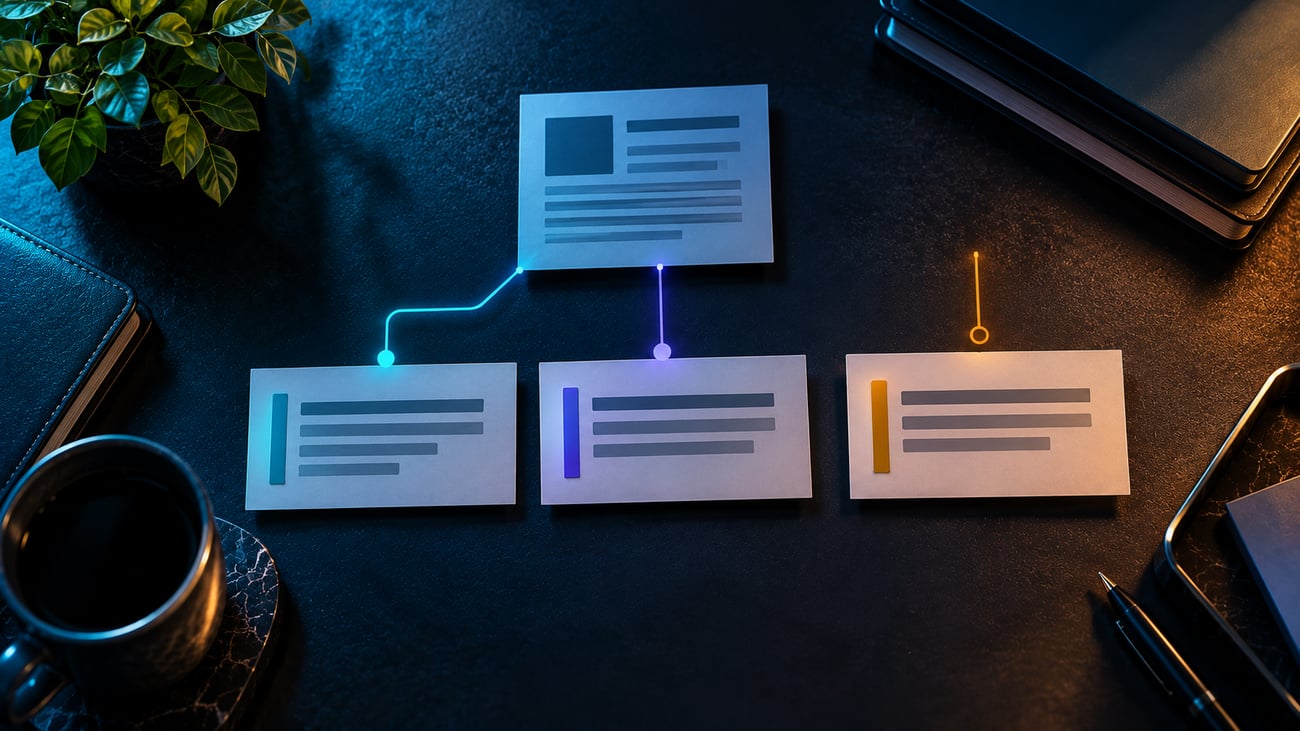
A company's own website can support a claim in the sense that it makes the same claim. That is useful, because it tells you whether the AI is repeating the company's description accurately. It is also the company agreeing with itself.
Independent corroboration is different. A customer review, a directory entry, an analyst note, a news article or a partner's page is written by someone else. It answers another question: does anyone besides the company say this?
An answer that rests only on the company's own pages can be accurate and still thinly corroborated. An answer that rests only on independent sources can be well corroborated and describe an earlier version of the business. Neither is the whole picture, so it helps to know which kind you are looking at.
In our framework, a citation is its own level, separate from a recommendation. A source appearing in an answer is one observation. What that source supports is another.
|
|
|
🎯 This Week's Strategic Lens |
|
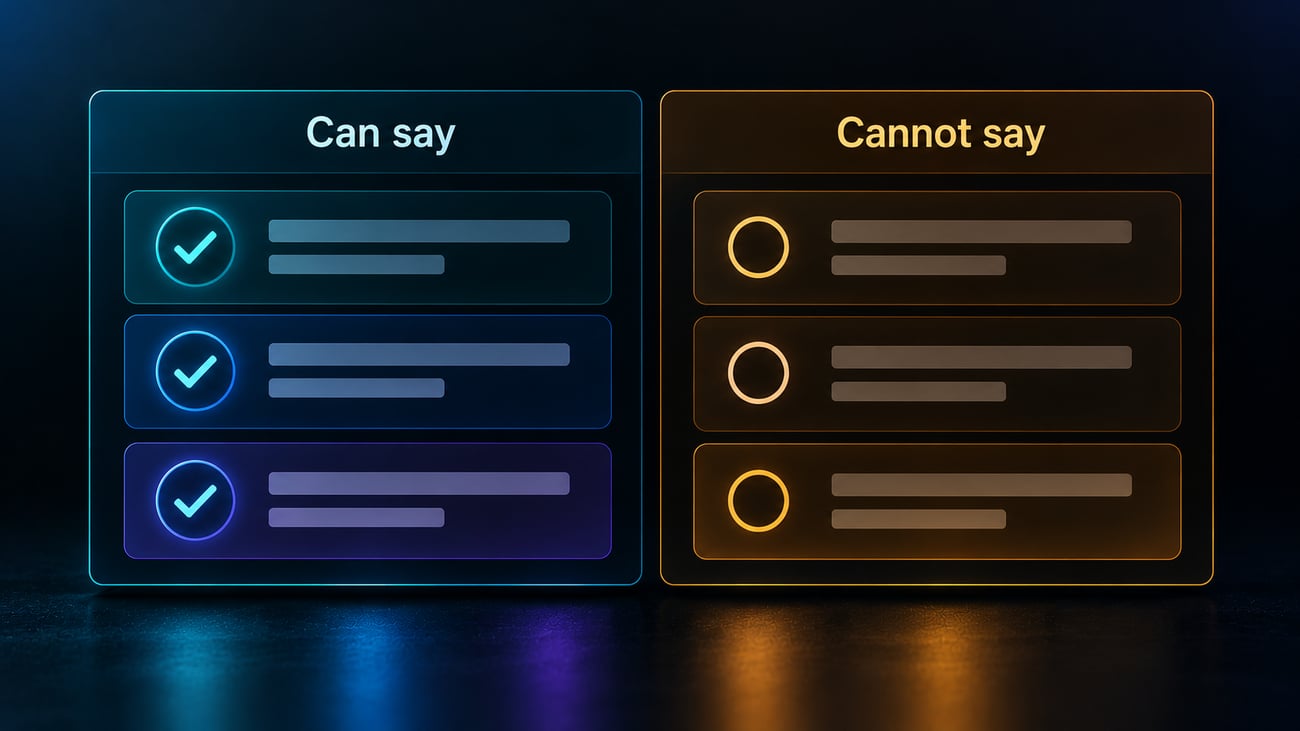
A source check can support a narrow statement: for this claim, in this answer, on this engine, on this date, here is what a source says and where it falls short.
It does not support more than that. Search-assisted correctness is not proof that an engine knows the company without searching. A visible link is not a complete record of where an answer came from, and what happens inside a model is not observable from outside. A source that supports a claim has not been shown to be the cause of the answer.
And unsupported does not necessarily mean false. A claim can be accurate and simply have nothing you could find behind it. "Unsupported" is a finding about the evidence, not a verdict about the truth.
|
|
|
|
👨💻 Founder's Note |
|
Last week's question was whether a buyer who doesn't know your name would find you on a list. This week's is about a more comfortable situation: an AI answer describes you, and it sounds right.
I chose it because I think the comfortable one is easier to get wrong. A missing brand is an obvious problem. A convincing description feels like the problem is already solved.
So the point this week is not to find fault with the answer. It is to know what you can say about it, and what you can't, before you tell anyone it's good news.
- Dana Billingsley | Founder, Axis Suite by TrendAxis |
|
|
Practical Section |
|
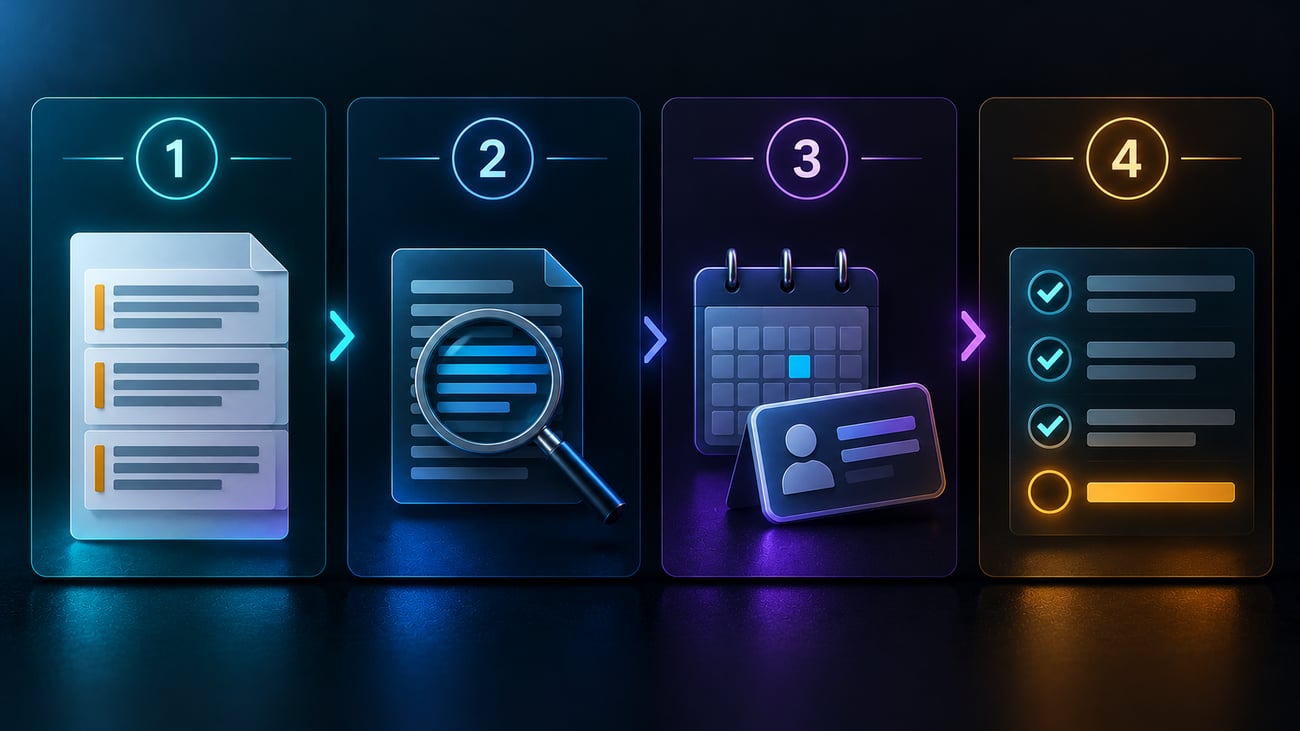
Four Questions to Ask About an AI Description of a Company
1. **What specific claim did the AI make?** Break the answer into single claims: what the company offers, who it serves, what it can do. Write each on its own line.
2. **What does the cited or inspected source actually support?** Open the source, if there is one, and read the part that bears on the claim. Note whether it is the company's own page or an independent source. If no source is given, look for one yourself, and write down that you don't know it is what the engine used.
3. **Does it concern the right company, offering and time period?** Check the name, the product and the date. Similar names and older pages are common ways for a source to look relevant when it isn't.
4. **What remains uncertain?** List what you could not verify. Record the engine, the question you asked and the date. Write "no support found" where that is what you found, not "false."
If you can't say what remains uncertain, the check isn't finished.
|
|
|
☕ Your Weekly Dose of Caffeinated Wisdom |
|
|
Anything that sounds sure of itself deserves one follow-up question. That goes for the speaker in the meeting and the answer on the screen.
Stay steady. ☕
|
|
|
🔔 CLOSING SIGNAL |
|
A convincing description is where the checking starts. Break it into claims, read what supports each one, and write down what is still uncertain. |
|
|
|
|
🛠 Coming Next Week
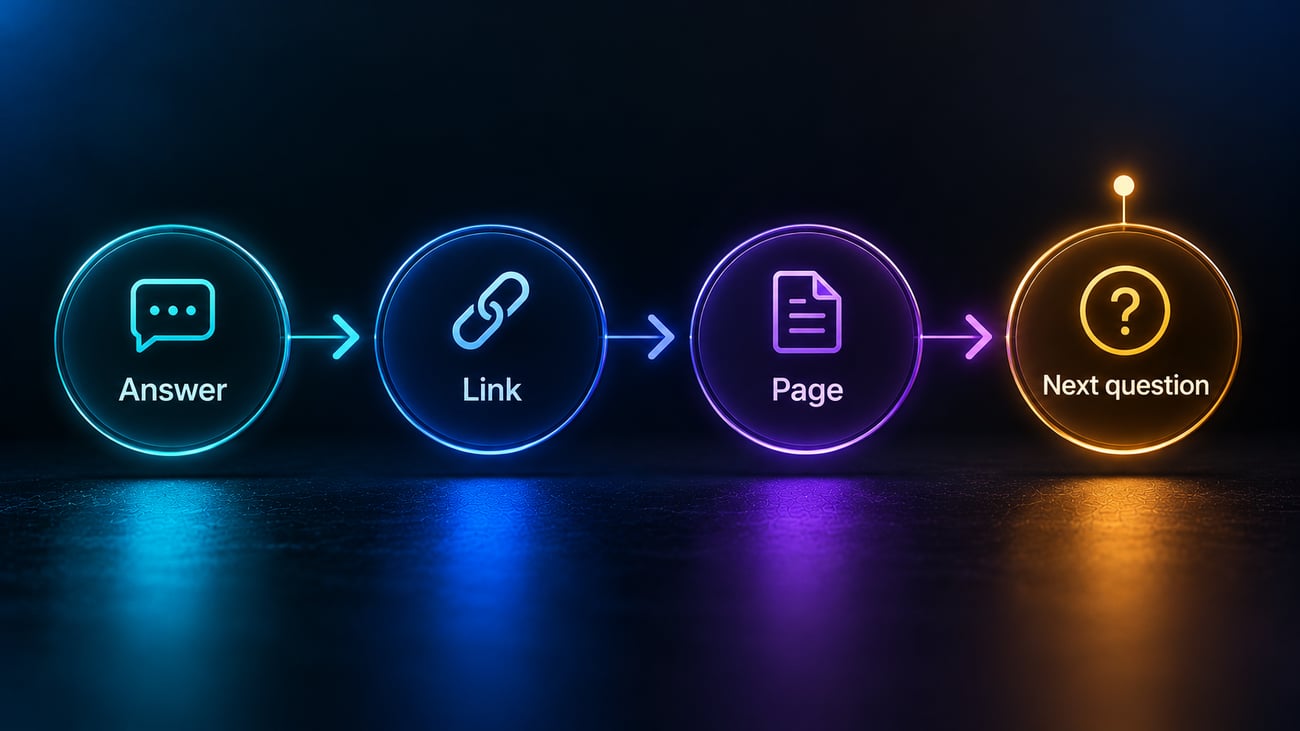
Thursday, we follow the link. When an answer points a buyer to a page, does that page answer the buyer's next question?
|
 |
|
|
|
|
🚀🤖✨📊🎨
The Axis Suite
AI Recommendation Intelligence. AI Narrative Defense. Agentic Visibility Infrastructure. |
|
"Axis Suite is the independent intelligence layer that tracks what AI says about your brand and the observable evidence behind it, retrieval, narrative, recommendation, and corroboration signals, across engines including ChatGPT, Claude, Gemini, and Perplexity. Built by TrendAxis, Axis Suite follows a brand's path from Mentioned to Cited to Recommended to Chosen. Axis Suite is measurement infrastructure, not a marketing quick fix, every score is built to be explainable and defensible."
👉 Axis Suite | Explore the Proof Center
📬 Thank you for being part of this.
Here's to staying visible, staying understood, and becoming the obvious choice.
Stay caffeinated, stay inspired. See you next week! ☕
From the trenches,
The Axis Suite Team 💪
|
|
|
 |
|
© 2026 TrendAxis, LLC™. All rights reserved.
|
|
|